SEIKO SSC955P1: A News-Style Deep Dive Into a Solar Chronograph Shaping Modern Watch Trends
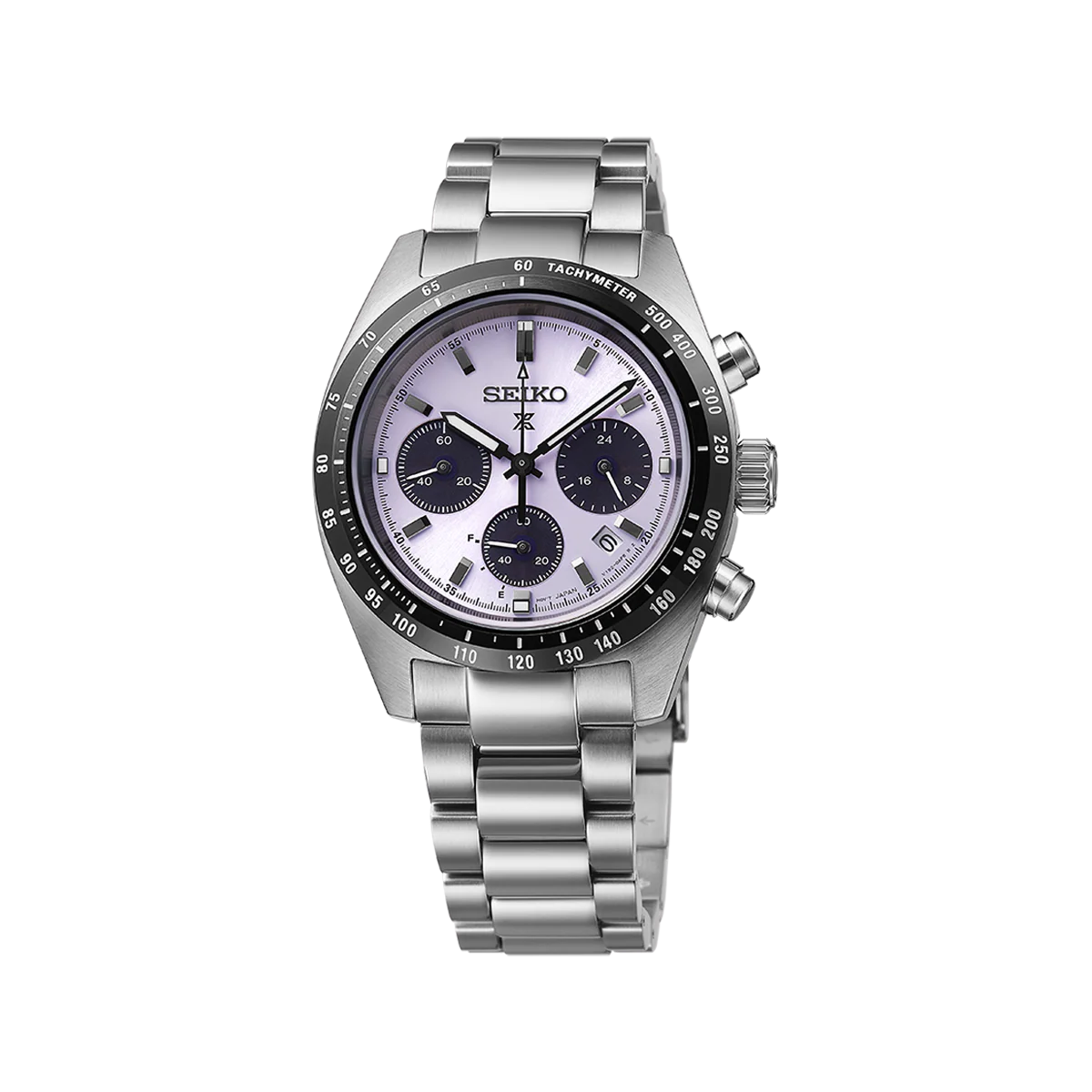
The global watch industry continues to evolve as manufacturers respond to shifting consumer expectations, environmental concerns, and a rise in interest toward hybrid timekeeping technologies. Against this background, Seiko’s SSC955P1 has entered the conversation as a model that reflects many of the trends shaping today’s watch market. Rather than focusing solely on luxury narratives or retro revivals, this watch highlights the growing relevance of solar-powered chronographs, a category once considered niche but now gaining momentum among general consumers and collectors alike. As the industry pivots toward sustainability and practicality, the SSC955P1 becomes an interesting case study in how brands adapt without abandoning their core design philosophies.
Recent years have seen increased attention on solar charging systems as watchmakers look for ways to reduce battery replacement waste. The SSC955P1 emerges during a period where quartz, once overshadowed by the mechanical resurgence, is regaining recognition as a forward-looking technology rather than a relic of the late 20th century. The watch community has been openly debating the role of solar chronographs, and this model’s entry has intensified discussions about what the future of everyday timekeeping may look like. Its presence in the lineup offers insight into Seiko’s broader technological direction and its continued commitment to functional, environmentally conscious designs.
From a design perspective, the SSC955P1 arrives at a moment when watch aesthetics are becoming more restrained across many brands. Oversized chronographs, which dominated market trends in the early 2000s, have been losing ground to more balanced proportions. While the watch does not attempt to push the boundaries of design language, it does represent a shift toward moderation. Analysts observing consumer behavior note that buyers today increasingly gravitate toward watches that bridge lifestyle versatility and practicality—timepieces that can adapt to workplaces focused on minimalism and to leisure environments where durability matters. The SSC955P1 appears aligned with this cultural shift, adopting familiar chronograph features yet delivering them in a controlled, measured format.
The impact of materials has also become a focal point in watch-related news, particularly as brands explore lightweight alloys, sustainable composites, and innovative finishing techniques. In the case of the SSC955P1, stainless steel remains the material of choice, reflecting a broader industry movement where heritage materials retain dominance despite experimental alternatives. Stainless steel continues to be valued for its combination of resilience, ease of maintenance, and visual neutrality. Industry analysts regularly comment on how steel watches still outperform others in both demand and long-term use, and the SSC955P1 fits neatly into this narrative with its straightforward construction and refined surface treatment. Instead of adopting futuristic textures or coatings, it remains grounded in proven methods that appeal to consumers who prefer reliability over novelty.
Attention toward dial architecture has become especially prominent in watch journalism over the past decade. Complex dials often serve as a canvas for brands to showcase craftsmanship, but in many instances can compromise clarity. The SSC955P1 enters the market in a period where legibility is being re-evaluated as a core value, influenced partly by global lifestyle changes that encourage multi-tasking and the need for quick information retrieval. The dial structure of the SSC955P1 aligns with this trend by prioritizing readability above decorative excess. Reports from watch enthusiasts indicate that clean, symmetrical chronograph layouts have been gaining traction, and this model’s tri-compax arrangement follows that direction. Its balanced sub-dial placement mirrors a design philosophy becoming increasingly crucial in modern watch releases—one that merges precision with simplicity.
Solar technology inside the SSC955P1 is another subject gaining attention in watch news cycles. The industry has been closely monitoring advancements in solar movements, particularly how manufacturers refine efficiency, storage duration, and charging capabilities under low-light conditions. The SSC955P1 enters this discourse as an example of a mature system rather than an experimental prototype. It demonstrates how solar cells can be integrated beneath the dial without disrupting aesthetics, and highlights the practical benefits of long-term power retention. Discussions within watch technology forums emphasize that solar chronographs represent a meaningful step in reducing long-term maintenance requirements, and the SSC955P1 reinforces this by offering extended operation without frequent intervention.
In parallel with technological developments, there has been a noticeable shift in how users approach watch ownership. With the rise of smart devices and digital wearables, the role of analog watches has been subject to renewed scrutiny. Instead of competing with digital screens, many analog models now focus on delivering durability, reliability, and independence from electronic ecosystems. Solar-powered watches, in particular, have entered this cultural conversation as alternatives that offer autonomy while still retaining traditional charm. News outlets covering the watch industry have often highlighted how solar movements allow wearers to disconnect from charging habits associated with modern smartwatches. The SSC955P1 aligns with this sentiment by offering a low-maintenance user experience that fits into contemporary life without depending on digital interfaces or apps.
The watch’s water resistance capabilities reflect another theme resonating within modern watch journalism: the emphasis on real-world readiness. With consumers increasingly involved in outdoor and hybrid work lifestyles, water-resistant specifications have become not just desirable but expected. The SSC955P1’s level of protection positions it well within the everyday-use category. Analysts note that while not all users require professional diving capabilities, many still value durability and resilience. Models like this highlight the current industry trend of practical enhancements rather than extravagant performance claims.
Discussions around bracelets and straps have also gained prominence recently, particularly as brands respond to growing interest in modularity. While the SSC955P1 does not introduce groundbreaking innovations in this area, the stainless-steel bracelet option aligns with mainstream preferences. Stainless-steel bracelets continue to dominate the market owing to their adaptability and long-term wear characteristics. The conversation around silicone and leather straps remains present, especially with seasonal or lifestyle-specific wear, but steel remains the dominant choice as the watch industry continues its steady return toward classic materials. The SSC955P1’s bracelet and clasp design represent this trend without deviating into experimentation, illustrating how many brands are maintaining consistency to meet consumer expectations.
Globally, the introduction of new solar models like the SSC955P1 reflects a rising demand for watches that blend technology with everyday reliability. Countries with strong sunlight seasons often report increased interest in solar-powered timepieces, while regions with predominantly indoor lifestyles still find appeal due to improvements in indoor-light charging efficiency. The SSC955P1 enters a market where solar technology is no longer treated as a specialty feature but as an increasingly standard offering. This shift is significant because it highlights the changing priorities of consumers who value reduced maintenance and environmental considerations.
In terms of cultural relevance, the SSC955P1 also appears at a time when younger audiences are entering the watch market with different perspectives from previous generations. Many first-time buyers seek watches that do not require extensive care or technical knowledge, and solar quartz chronographs offer an approachable entry point. Journalists covering generational trends note that younger consumers appreciate technology that simplifies ownership. This demographic factor plays a subtle yet influential role in how models like the SSC955P1 are positioned in contemporary watch discourse.
While the SSC955P1 does not break radical new ground, it does reinforce the direction in which the industry is gradually moving. Watch analysts frequently point out that innovation in horology often arrives through incremental advancements rather than disruptive leaps. Solar chronographs represent one such incremental development—refining existing technologies, improving efficiency, and integrating them with familiar designs. The SSC955P1 adds to this conversation by showing how brands can merge tradition with modern demands without altering their identity.
As the watch industry continues to navigate fluctuating economic conditions, sustainability goals, and consumer expectations, the SSC955P1 serves as a small but clear signal of where product development is headed. It demonstrates the increasing acceptance of solar power, the sustained interest in moderate chronograph designs, and the enduring demand for materials and proportions that can withstand daily use. Its release reinforces the idea that watches, even in a digitized world, continue to adapt while preserving their mechanical heritage.
News coverage of watches frequently emphasizes flagship innovations or luxury statements, but models like the SSC955P1 show that meaningful developments often occur at the intersection of practicality and quiet refinement. Its arrival underscores the importance of accessible, reliable technology in shaping the next phase of watchmaking. Whether solar chronographs become a dominant category or remain a steady contributor to the broader lineup, the SSC955P1 stands as an example of how the industry responds to contemporary challenges through subtle evolution rather than radical reinvention.


Comments
Post a Comment