Guide to the Seiko SSC955P1: Design, Function, Use, and Understanding Its Place in Modern Watchmaking
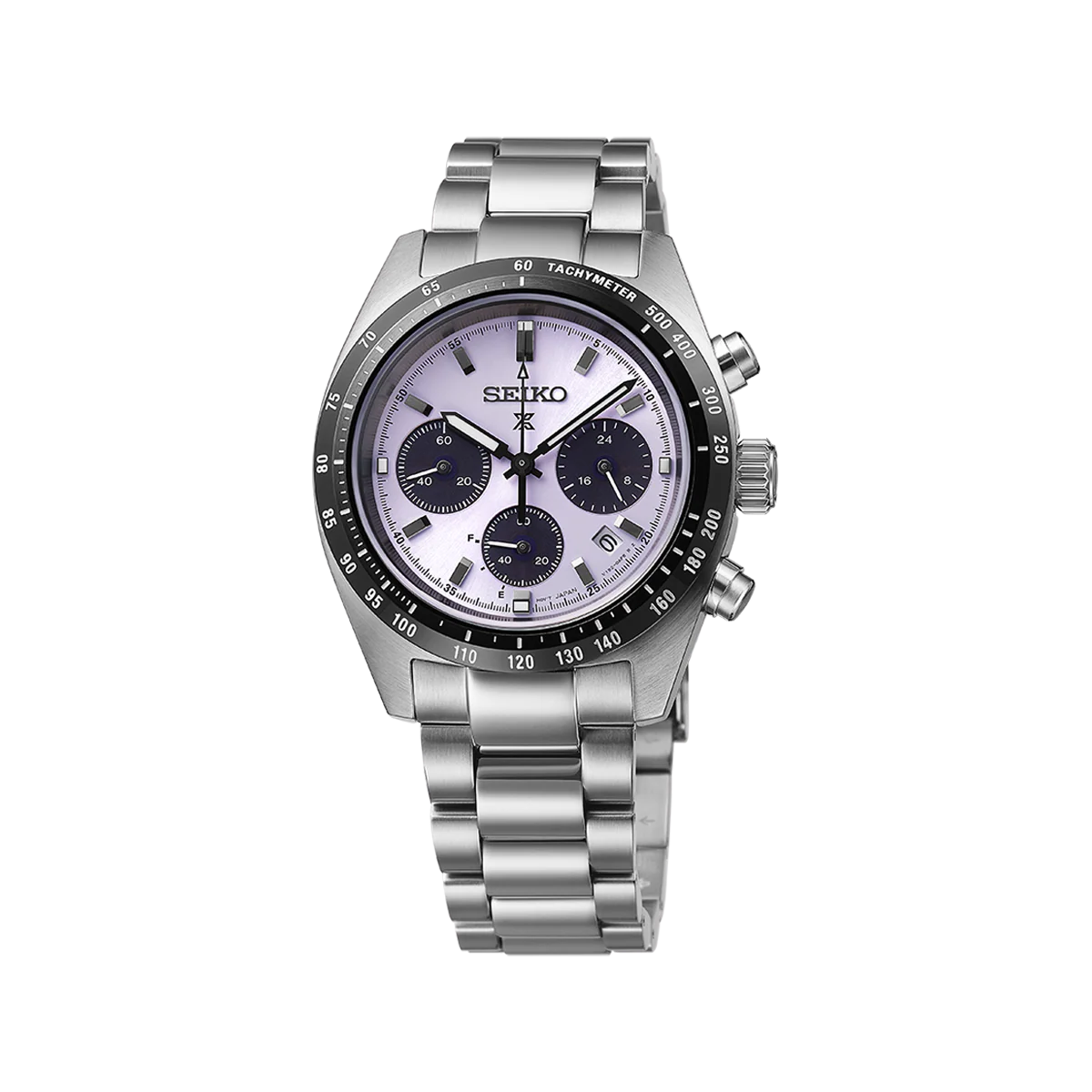
The Seiko SSC955P1 has become a model of interest for many watch users seeking a blend of practicality, modern engineering, and long-term usability. Rather than being a watch built around heritage symbolism or luxury expression, it emerges as a piece focused on functionality and thoughtful design execution. This makes it an ideal subject for a practical guide—one that helps readers understand not just what the watch is, but how it can be used, what it represents in today’s watch landscape, and how its features support daily life. This article aims to provide an informative, structured exploration of the SSC955P1 without leaning into sales language or promotional framing.
The design of the SSC955P1 is the first aspect that most users encounter, and understanding it requires acknowledging the larger design trends occurring in the watch world. In the past, chronographs often adopted highly ornamented aesthetics, with exaggerated dimensions and bold embellishments. The SSC955P1 instead embraces a quieter, more measured approach. Its case shape follows the familiar Seiko curvature, with smooth transitions and refined finishing. For individuals approaching this model for everyday use, this measured design means the watch sits comfortably on the wrist, avoiding bulky extremes that can complicate wearability. Its dial layout, organized in a tri-compax format, reflects a commitment to readability. For anyone learning how to interpret chronograph functions, this layout is intuitive, with each sub-dial offering information at a glance without visual noise.
Understanding the SSC955P1’s dial is key for practical users, especially those unfamiliar with chronographs. The primary hands deliver the basic timekeeping function. The sub-dials are typically used for minutes, seconds, and additional measurements depending on the exact movement configuration. Learning to use these features begins with distinguishing the chronograph seconds hand—often the longest central hand—from the running seconds sub-dial, which moves at a constant pace. Many new chronograph users mistakenly assume the large seconds hand should always be running; in a quartz chronograph like the SSC955P1, it remains still until activated by the pusher. This emphasis on clarity and proper understanding forms part of the watch’s usefulness, allowing users to fully engage with the functional benefits it offers.
Another important component of this guide lies in understanding the case material and finishing. Stainless steel remains the foundation for the SSC955P1, chosen for its durability and resistance to daily wear. When guiding new users, it is essential to explain that steel watches benefit from both structural resilience and ease of maintenance. Minor scratches can develop on brushed surfaces, but they tend to blend into the grain of the finish, making them less noticeable. Polished surfaces, while more reflective, may reveal marks more quickly, but these can often be minimized with light polishing techniques. For individuals intending to wear the watch daily, the steel construction provides peace of mind. It is resilient enough for ordinary tasks and stable across different environments.
Learning about the crystal type used on the SSC955P1 helps contextualize durability as well. Some variants incorporate mineral crystals, while others use sapphire. Mineral crystals offer resistance to shattering and can absorb a degree of impact, making them suitable for general usage. Sapphire, on the other hand, is exceptionally scratch-resistant, offering long-term clarity and reducing the likelihood of surface marks. Understanding the benefits of each crystal helps users decide whether protective measures are needed. For instance, those wearing the watch in environments where abrasions occur might prefer being cautious with mineral crystals, while sapphire-equipped models require less ongoing attention.
Beyond exterior materials, one of the most important subjects in a guide about this watch is its movement. The SSC955P1 operates using Seiko’s solar-powered quartz system, a feature that significantly influences how the watch is used and maintained. Solar watches rely on light absorption through the dial, converting it into energy stored in a rechargeable cell. For individuals unfamiliar with solar technology, the key understanding is that the watch does not require battery replacements in the traditional sense. Instead, exposure to natural or artificial light replenishes its power. Daily users simply need to ensure the watch receives occasional light to maintain optimal charge. A short period in a brightly lit area is commonly enough to restore functionality. This convenience reduces long-term maintenance and aligns with a more environmentally conscious approach to timekeeping.
While solar charging is straightforward, users benefit from knowing how to read the watch’s power reserve behavior. Many solar quartz watches signal low energy through reduced seconds-hand movement, such as ticking at two-second intervals. Recognizing this pattern helps prevent unexpected stoppages. The SSC955P1 is designed to store enough power to run for several months in darkness once fully charged, meaning that even occasional wearers can rely on its longevity. For individuals accustomed to mechanical watches requiring winding or quartz watches requiring periodic replacements, this system offers long-term ease without complex upkeep.
The chronograph operation itself also plays a central role in understanding the watch. The upper pusher typically starts and stops the chronograph, while the lower pusher resets it. When using the chronograph, it is useful to remember that quartz chronographs deliver highly accurate timing due to the precision of their oscillators. This makes the SSC955P1 well-suited for users who rely on accurate short-time measurements. However, it is equally important to understand the limitations: holding the chronograph active for very long periods may consume additional energy, though the solar charging system usually compensates for this. Learning how and when to use the chronograph ensures the wearer benefits from its convenience without unnecessary strain on the movement.
Water resistance is another factor that users should evaluate carefully. The SSC955P1 is designed to withstand the levels of moisture encountered in everyday life, such as rain, handwashing, or brief accidental splashes. While not intended for diving or extended underwater exposure, it supports typical daily moisture contact. For guidance, users should avoid operating the crown or pushers while the watch is wet, as these points can be vulnerable if not completely sealed during manipulation. Regular inspection of gaskets during routine servicing helps maintain the watch’s moisture resistance over long periods.
The bracelet or strap configuration plays a role in both comfort and style adaptation. Stainless steel bracelets offer structural balance and long-term durability. When guiding new wearers, it is helpful to explain that steel bracelets can be adjusted through removable links, providing a custom fit. Proper sizing prevents discomfort and improves stability, ensuring the watch does not rotate excessively on the wrist. For users preferring a lighter feel, silicone straps, if available for this model, offer flexibility and moisture resistance, making them suitable for warm climates or physically active settings. Leather straps introduce a more classic appearance but require additional care to avoid premature wear from moisture exposure. Understanding these differences helps users select the configuration that best matches their lifestyle.
Maintaining the SSC955P1 involves a few straightforward practices. Regular wiping with a soft cloth removes oils and particulate buildup from the steel surfaces. When the watch encounters dusty or salty environments, rinsing with clean water and drying with a cloth helps preserve its finish. Solar watches generally require less servicing than mechanical movements, but periodic inspections ensure seals and components remain in good condition. Since the rechargeable power cell is designed for long-term function, users can expect extended periods of operation before any replacement becomes necessary—a significant advantage for those seeking a low-maintenance watch.
Another dimension of guiding new users lies in contextualizing the SSC955P1 within the broader watch market. Many individuals today encounter a vast array of choices, ranging from traditional mechanical designs to digital wearables. The SSC955P1 occupies a middle ground that appeals to users who value independence from electronic ecosystems yet do not want the maintenance complexity associated with mechanical watches. Understanding this positioning helps individuals choose a watch aligned with their priorities. The SSC955P1 offers a combination of reliability, ease of use, and understated design, characteristics that resonate with modern practical needs.
The watch’s design versatility is also worth noting for individuals learning how to incorporate timepieces into their daily routines. The SSC955P1’s restrained appearance enables it to complement a wide variety of clothing styles without dominating an outfit. For users seeking an everyday watch, this adaptability becomes a significant advantage, reducing the need to rotate between multiple models. Its combination of subtle aesthetics and functional clarity supports users who prefer simplicity while still valuing a complete set of timekeeping features.
As part of a comprehensive guide, it is also useful to consider how the SSC955P1 supports different user types. For professionals, its readability and low-maintenance solar movement minimize distractions and upkeep. For individuals engaged in outdoor activities, its water resistance and durable construction offer reassurance. For those new to chronographs, its intuitive design provides an entry point to explore complications without complexity. For occasional wearers, its extended power storage ensures it remains functional even after periods of rest. This range of suitability demonstrates how the watch adapts to diverse daily scenarios.
Looking at long-term ownership, the SSC955P1 provides stability through its combination of solar technology, quartz precision, and durable materials. Users seeking longevity will appreciate understanding how these components work together. The quartz movement ensures accuracy without the need for winding. The solar charging system eliminates battery replacements. The steel case protects the internal mechanisms. The crystal—mineral or sapphire—preserves visibility. Each feature contributes to a long-term user experience centered on consistency rather than mechanical intricacy.
In conclusion, viewing the Seiko SSC955P1 through the lens of a guide rather than a promotional overview reveals its practical strengths. It is a watch designed around everyday usability, approachable technology, and clarity of function. By understanding how its solar movement operates, how to use its chronograph, how its materials behave, and how its design supports comfort, users can fully appreciate the watch’s capabilities. While it does not rely on thematic storytelling or luxury positioning, it offers a grounded, functional experience that aligns with many of the demands placed on modern timepieces. This guide demonstrates that the SSC955P1 is less about spectacle and more about thoughtful engineering—an attribute that makes it reliable for a wide range of users navigating the rhythm of daily life.


Comments
Post a Comment